Showing posts with label Threat Detection. Show all posts

Monday, July 29, 2024

5 Key Endpoint Security Metrics Improved by SOC Outsourcing in Healthcare


In the ever-evolving landscape of healthcare cybersecurity, SOC (Security Operations Center) Operation Outsourcing has emerged as a vital strategy for enhancing endpoint security. By leveraging specialized expertise and advanced technologies, healthcare organizations can significantly improve key security metrics. Here are five critical endpoint security metrics that benefit from SOC outsourcing:

1. Incident Response Time
SOC outsourcing can drastically reduce the time it takes to detect and respond to security incidents. With 24/7 monitoring and dedicated security experts, outsourced SOCs provide rapid detection and mitigation of threats, minimizing potential damage and ensuring swift recovery.

2. Threat Detection Accuracy
Outsourced SOCs use advanced threat intelligence and analytics to enhance threat detection accuracy. By integrating machine learning and behavioral analysis, these centers can identify and respond to sophisticated threats that might go unnoticed with in-house solutions, thereby reducing false positives and improving overall security posture.

3. Endpoint Vulnerability Management
Effective vulnerability management is crucial for protecting healthcare endpoints. SOCs deploy automated tools and regular scans to identify and address vulnerabilities promptly. Outsourcing this function ensures that vulnerabilities are managed proactively, reducing the risk of exploitation and maintaining compliance with industry standards.

4. Security Incident Resolution Rate
An outsourced SOC's specialized resources and expertise contribute to a higher resolution rate for security incidents. With dedicated teams focused on resolving issues efficiently, healthcare organizations experience fewer unresolved incidents and improved overall security management.

5. Compliance and Reporting
SOC outsourcing enhances the ability to meet regulatory requirements and produce comprehensive security reports. Outsourced SOCs ensure that healthcare organizations adhere to standards like HIPAA, providing detailed reports that facilitate audits and demonstrate compliance effectively.

By outsourcing SOC operations, healthcare providers can strengthen their endpoint security metrics, ensuring robust protection against evolving cyber threats and maintaining the integrity of sensitive patient data.

Thursday, July 18, 2024

Why Threat Detection is More Effective with Outsourced SOC Operations

In today's rapidly evolving cybersecurity landscape, the need for efficient threat detection has never been more critical. Many organizations are turning to SOC operation outsourcing to enhance their security measures. Here’s why outsourcing SOC operations leads to more effective threat detection.

Access to Specialized Expertise
Outsourced SOC operations provide access to a team of seasoned cybersecurity professionals. These experts bring extensive experience and knowledge, enabling them to identify and respond to threats more effectively. They are well-versed in the latest attack vectors and mitigation strategies, ensuring your organization stays ahead of potential threats.

Advanced Technology and Tools
SOC operation outsourcing firms invest in state-of-the-art technology and tools that may be cost-prohibitive for individual organizations. These advanced systems offer superior threat detection capabilities, such as real-time monitoring, AI-driven analytics, and automated response mechanisms. Leveraging these tools, outsourced SOCs can detect and neutralize threats faster and more accurately.

24/7 Monitoring and Rapid Response
A significant advantage of outsourcing SOC operations is round-the-clock monitoring. Cyber threats can occur at any time, and having a dedicated team that operates 24/7 ensures immediate detection and response. This continuous vigilance minimizes the window of opportunity for attackers and reduces the potential impact on your organization.

Scalability and Flexibility
Outsourced SOC operations offer scalability, allowing organizations to adjust their security measures based on evolving needs. Whether it's handling increased network traffic or addressing new types of threats, outsourced SOCs can quickly scale their services. This flexibility ensures that your threat detection capabilities remain robust and adaptable.

Cost Efficiency
Building and maintaining an in-house SOC can be financially burdensome, especially for small to mid-sized organizations. SOC operation outsourcing provides a cost-effective solution by eliminating the need for significant upfront investments in infrastructure and personnel. Organizations can benefit from high-level security services at a fraction of the cost.

Focus on Core Business Activities
By outsourcing SOC operations, organizations can focus on their core business activities without compromising security. The outsourced team handles threat detection and response, freeing up internal resources to concentrate on strategic initiatives and business growth.

Conclusion
SOC operation outsourcing is a strategic move that enhances threat detection and response capabilities. With access to specialized expertise, advanced tools, 24/7 monitoring, scalability, cost efficiency, and the ability to focus on core business activities, organizations can ensure a robust security posture. Embracing outsourced SOC operations is not just a trend; it’s a necessity in the modern cybersecurity landscape.

Wednesday, July 17, 2024

How Outsourcing SOC Operations Ensures Compliance for Healthcare SaaS Providers


Healthcare Software as a Service (SaaS) providers face unique challenges in maintaining compliance with stringent regulatory standards. One effective solution is outsourcing Security Operations Center (SOC) operations. Here's how SOC operations outsourcing ensures compliance for healthcare SaaS providers.

Expert Compliance Knowledge
Outsourcing SOC operations to specialized providers brings in experts with in-depth knowledge of healthcare regulations like HIPAA, HITECH, and GDPR. These professionals stay updated with the latest compliance requirements, ensuring that all security measures align with legal standards. Their expertise helps identify potential compliance gaps and implement necessary changes swiftly.

Advanced Threat Detection
Compliance in healthcare SaaS is not just about meeting regulatory requirements but also about ensuring robust security. Outsourced SOC operations utilize advanced threat detection technologies and methodologies. These include AI-driven analytics, real-time monitoring, and behavior analysis, which provide comprehensive protection against evolving cyber threats. This proactive approach helps in maintaining a secure environment, a key aspect of compliance.

Continuous Monitoring and Reporting
Outsourced SOC providers offer 24/7 monitoring and detailed reporting. Continuous monitoring ensures that any security incidents are detected and addressed promptly. Regular reporting provides documentation of security measures and incidents, which is crucial for compliance audits. This continuous oversight and documentation demonstrate a commitment to maintaining compliance standards.

Cost-Effective Compliance Management
Maintaining an in-house SOC can be costly and resource-intensive. Outsourcing SOC operations can significantly reduce these costs while still providing top-tier security and compliance services. This cost-effectiveness allows healthcare SaaS providers to allocate resources more efficiently, ensuring they meet compliance requirements without stretching their budgets.

Scalability and Flexibility
Healthcare SaaS providers often need to scale their operations quickly to accommodate growth or changing regulatory requirements. Outsourced SOC operations offer the scalability and flexibility needed to adjust security measures as needed. This agility ensures that compliance is maintained even as the business evolves.

Focus on Core Competencies
By outsourcing SOC operations, healthcare SaaS providers can focus on their core competencies—delivering innovative and efficient software solutions. This focus not only enhances business performance but also ensures that compliance and security are managed by experts, reducing the risk of compliance failures.

In conclusion, outsourcing SOC operations is a strategic move for healthcare SaaS providers aiming to ensure compliance. With expert knowledge, advanced threat detection, continuous monitoring, cost-effectiveness, scalability, and a focus on core competencies, outsourced SOC operations provide a robust framework for maintaining regulatory compliance and enhancing overall security.

Tuesday, July 16, 2024

Protecting Financial Mobile Apps from Malware with SOC Operation Outsourcing

In today's fast-paced financial landscape, mobile apps are essential tools for users seeking convenient access to banking and financial services. However, the increasing prevalence of malware targeting these apps has raised significant concerns. SOC (Security Operations Center) Operation Outsourcing offers a robust solution to safeguard financial mobile apps from malicious threats. Here’s how outsourcing your SOC operations can protect your financial mobile apps effectively.

Continuous Monitoring and Rapid Response
Outsourced SOC operations provide round-the-clock monitoring, ensuring that any suspicious activity is detected and addressed immediately. This continuous vigilance is critical in identifying and mitigating threats before they can cause significant harm. Rapid response capabilities are essential to neutralize malware attacks, preventing them from compromising sensitive financial data and user accounts.

Advanced Threat Intelligence
One of the key benefits of SOC operation outsourcing is access to advanced threat intelligence. External SOC providers leverage global threat intelligence networks to stay ahead of emerging malware trends and tactics. By integrating this intelligence into their security protocols, they can preemptively defend against sophisticated attacks targeting financial mobile apps. This proactive approach significantly reduces the risk of breaches and ensures the safety of users’ financial information.

Expertise and Specialized Tools
Outsourced SOC teams consist of cybersecurity experts with specialized knowledge and experience in handling various types of cyber threats. These professionals use state-of-the-art tools and technologies to detect, analyze, and respond to malware attacks effectively. Their expertise allows for a more comprehensive defense strategy, incorporating the latest advancements in cybersecurity to protect financial mobile apps.

Cost-Effective Security Solution
Establishing an in-house SOC can be extremely costly for many financial institutions, necessitating substantial investments in technology, staffing, and continuous training. Outsourcing SOC operations provides a cost-effective alternative, offering high-quality security services at a fraction of the cost. This allows financial organizations to allocate resources more efficiently while still ensuring robust protection for their mobile apps.

Enhanced Regulatory Compliance
Financial institutions must adhere to strict regulatory standards related to data protection and cybersecurity. SOC operation outsourcing helps ensure compliance with these regulations by implementing industry best practices and maintaining rigorous security standards. This not only protects the institution from potential fines and legal issues but also enhances its reputation for safeguarding customer data.

Conclusion
In the ever-evolving landscape of financial services, protecting mobile apps from malware is paramount. SOC operation outsourcing provides a comprehensive and cost-effective solution to this challenge, offering continuous monitoring, advanced threat intelligence, expert intervention, and regulatory compliance. By leveraging these benefits, financial institutions can ensure the security of their mobile apps and build trust with their customers.

Thursday, July 11, 2024

What Outsourcing SOC Operations Means for Healthcare IT Security


In today’s digital landscape, healthcare organizations face increasing cyber threats. Outsourcing SOC (Security Operations Center) operations has emerged as a strategic solution to bolster IT security in the healthcare sector.

Enhanced Threat Detection
Outsourcing SOC operations allows healthcare IT teams to leverage advanced technologies and expert personnel. These external teams utilize state-of-the-art tools for real-time monitoring and threat detection, ensuring that potential breaches are identified and addressed promptly.

Cost-Effective Security Solutions
Building an in-house SOC can be costly and resource-intensive. By outsourcing SOC operations, healthcare organizations can significantly reduce overhead expenses while still maintaining high levels of security. This model allows IT teams to focus on core activities, knowing that security is in expert hands.

Compliance and Regulatory Support
Healthcare organizations are required to adhere to various regulations, including HIPAA. Outsourcing SOC operations ensures that security protocols align with regulatory requirements, helping organizations avoid costly penalties and maintain patient trust.

24/7 Monitoring and Incident Response
Cyber threats can strike at any time. Outsourcing SOC operations provides continuous monitoring and rapid incident response capabilities, ensuring that healthcare data remains protected around the clock. This 24/7 vigilance is crucial in maintaining the integrity of sensitive patient information.

Conclusion
Outsourcing SOC operations is a proactive step for healthcare organizations aiming to strengthen their IT security posture. By collaborating with specialized providers, healthcare IT teams can enhance threat detection, optimize costs, ensure compliance, and maintain continuous security monitoring, ultimately safeguarding patient data and organizational integrity.

Tuesday, July 9, 2024

The Role of Managed Security Services in Securing Cloud-Based Financial Services


In today's digital age, financial institutions are increasingly turning to cloud-based solutions to streamline operations, enhance scalability, and improve customer service. However, the shift to the cloud introduces significant cybersecurity challenges, requiring robust protection measures to safeguard sensitive financial data and maintain regulatory compliance. Managed Security Services (MSS) play a pivotal role in fortifying these cloud environments, ensuring that financial services can operate securely and efficiently.

Comprehensive Threat Detection and Prevention
Managed Security Services providers leverage advanced threat detection technologies and expertise to continuously monitor cloud infrastructures. This proactive approach helps identify and mitigate potential security threats before they escalate, minimizing the risk of data breaches or service disruptions. Through real-time monitoring and analysis, MSS teams can swiftly respond to suspicious activities and implement necessary security measures to protect financial assets and customer information.

Enhanced Compliance and Risk Management
For financial institutions bound by stringent regulatory requirements such as GDPR or PCI DSS, compliance is non-negotiable. Managed Security Services assist in maintaining compliance by implementing robust security frameworks tailored to regulatory standards. By conducting regular audits, vulnerability assessments, and adherence checks, MSS providers ensure that cloud-based financial services adhere to industry regulations, mitigating legal risks and potential financial penalties.

Scalable Security Solutions
Cloud-based financial services often experience fluctuating demands, requiring adaptable security solutions that can scale according to operational needs. Managed Security Services offer flexible security architectures that grow alongside business expansions, accommodating increased data volumes and transactional complexities without compromising protection. Whether securing multi-cloud environments or integrating new technologies, MSS providers tailor solutions to align with evolving business strategies and security requirements.

Cost Efficiency and Operational Resilience
Outsourcing security to Managed Security Services not only enhances protection but also optimizes cost-efficiency for financial institutions. By consolidating security operations under a single managed service provider, organizations can reduce overhead costs associated with in-house security management, including staffing, training, and infrastructure investments. Furthermore, MSS providers ensure operational resilience by maintaining robust backup and disaster recovery plans, minimizing downtime and preserving business continuity during cyber incidents or natural disasters.

Conclusion
In conclusion, Managed Security Services are indispensable for securing cloud-based financial services, offering comprehensive threat detection, regulatory compliance, scalability, cost efficiency, and operational resilience. By partnering with a trusted MSS provider, financial institutions can confidently navigate the complexities of cloud security while focusing on core business objectives and delivering superior customer experiences.

Monday, July 8, 2024

Ways Managed Security Services Help Healthcare Organizations Achieve HIPAA Compliance


Introduction
In today's digital age, healthcare organizations face unprecedented challenges in safeguarding patient data while complying with stringent regulations like HIPAA (Health Insurance Portability and Accountability Act). Managed Security Services (MSS) play a pivotal role in ensuring that healthcare providers maintain robust cybersecurity measures to protect sensitive information.

1. Enhanced Threat Detection and Response
Managed Security Services provide continuous monitoring of healthcare IT systems. This proactive approach enables early detection of potential threats such as ransomware attacks or data breaches. Advanced threat detection technologies, combined with round-the-clock monitoring by cybersecurity experts, ensure swift response and mitigation of security incidents before they escalate.

2. Tailored Security Solutions
Every healthcare organization is unique in its infrastructure and operational needs. Managed Security Services offer customized security solutions tailored to the specific requirements of healthcare providers. This includes implementing encryption protocols, access controls, and data loss prevention measures to safeguard patient records and comply with HIPAA guidelines.

3. Compliance Management and Audits
Achieving and maintaining HIPAA compliance is a complex undertaking that requires meticulous attention to detail. Managed Security Services providers assist healthcare organizations in navigating the intricacies of compliance requirements. They conduct regular audits, risk assessments, and vulnerability scans to identify gaps and ensure adherence to HIPAA regulations.

4. Secure Cloud Integration
Many healthcare organizations are adopting cloud technologies to enhance operational efficiency and scalability. Managed Security Services facilitate secure integration of cloud platforms by implementing robust security frameworks. This includes data encryption, secure APIs, and monitoring of cloud environments to prevent unauthorized access and data breaches.

5. Continuous Monitoring and Reporting
Maintaining cybersecurity resilience is an ongoing process. Managed Security Services offer continuous monitoring and reporting capabilities, providing healthcare organizations with real-time insights into their security posture. Regular reports and analytics help stakeholders make informed decisions regarding cybersecurity investments and improvements.

Conclusion
In conclusion, Managed Security Services are indispensable for healthcare organizations striving to achieve and maintain HIPAA compliance. By leveraging advanced technologies and expertise, MSS providers enable proactive threat detection, tailored security solutions, compliance management, and secure cloud integration. These services not only mitigate risks but also enhance overall patient trust and operational resilience in the face of evolving cybersecurity threats.

Implementing Managed Security Services is not just a compliance requirement but a strategic investment in safeguarding patient data and ensuring the continuity of critical healthcare services.

Thanks and Regards,

Wednesday, June 12, 2024

The Role of Managed Security Services in Protecting Electronic Health Records (EHRs)


In today's digital age, the healthcare industry is increasingly relying on electronic health records (EHRs) to streamline patient care, improve efficiency, and enhance data accessibility. However, with the growing reliance on technology comes the heightened risk of cybersecurity threats. Healthcare organizations are facing a constant barrage of cyberattacks aimed at compromising sensitive patient information stored in EHR systems. This is where Managed Security Services (MSS) play a pivotal role in safeguarding EHRs and ensuring patient data remains secure.

Understanding Managed Security Services (MSS)
Managed Security Services encompass a range of cybersecurity solutions provided by third-party vendors to proactively monitor, detect, and respond to security threats. These services are designed to augment an organization's existing security measures, providing round-the-clock protection and expertise to mitigate risks effectively.

The Importance of Protecting EHRs
Electronic health records contain a wealth of sensitive information, including patient demographics, medical history, treatment plans, and billing details. Any unauthorized access, alteration, or disclosure of this information can have severe consequences, including identity theft, financial fraud, and compromised patient care.

Key Benefits of Managed Security Services for EHR Protection

1. 24/7 Monitoring and Threat Detection: MSS continuously monitor network traffic, endpoints, and data flows to identify and neutralize potential threats in real-time.

2. Proactive Vulnerability Management: MSS providers conduct regular security assessments and patch management to address vulnerabilities before they can be exploited by cybercriminals.

3. Incident Response and Forensic Analysis: In the event of a security incident, MSS offer prompt incident response services, including forensic analysis to determine the extent of the breach and prevent future occurrences.

4. Compliance and Regulatory Support: Healthcare organizations must comply with stringent regulations such as HIPAA (Health Insurance Portability and Accountability Act). MSS providers offer expertise in navigating regulatory requirements and ensuring EHR systems meet compliance standards.

Conclusion
In an era where healthcare data breaches are on the rise, the role of Managed Security Services in protecting Electronic Health Records cannot be overstated. By leveraging MSS capabilities, healthcare organizations can fortify their defenses, safeguard patient information, and maintain trust in the integrity of their EHR systems. Investing in robust cybersecurity measures is not just a regulatory requirement but a critical imperative to uphold patient privacy and confidentiality in the digital age.

Thanks and Regards,

Tuesday, June 11, 2024

5 Disaster Recovery Challenges Solved by Outsourced SOC in Healthcare


Disaster recovery is a critical concern for healthcare organizations due to the sensitive nature of the data they handle. Outsourcing SOC (Security Operations Center) operations offers an effective solution to many of the challenges in this area. Here are five disaster recovery challenges solved by SOC operations outsourcing in the healthcare sector.

1. 24/7 Monitoring and Incident Response
Healthcare systems require constant vigilance to detect and respond to threats in real-time. Outsourcing SOC operations ensures round-the-clock monitoring and quick incident response, minimizing the impact of potential disasters. This continuous oversight helps in identifying and mitigating risks before they escalate into full-blown crises.

2. Advanced Threat Detection and Analytics
Modern cyber threats are increasingly sophisticated, requiring advanced tools and expertise to detect and analyze them. Outsourced SOC services come equipped with state-of-the-art technology and skilled professionals who specialize in threat detection and analytics. This ensures that healthcare organizations can identify and neutralize threats efficiently, maintaining the integrity and availability of critical systems.

3. Compliance with Regulatory Standards
Healthcare organizations must comply with stringent regulatory standards like HIPAA, which mandate specific protocols for data protection and disaster recovery. SOC operations outsourcing provides access to experts who are well-versed in these regulations, ensuring that all compliance requirements are met. This not only reduces the risk of penalties but also strengthens the overall security posture of the organization.

4. Cost-Effective Solutions
Building and maintaining an in-house SOC can be prohibitively expensive, especially for smaller healthcare providers. Outsourcing SOC operations offers a cost-effective alternative, providing access to top-tier security services without the need for significant capital investment. This allows healthcare organizations to allocate resources more efficiently while still benefiting from robust security measures.

5. Scalability and Flexibility
Healthcare organizations often face fluctuating security needs, particularly during crises such as data breaches or natural disasters. Outsourced SOC operations offer the scalability and flexibility needed to adapt to these changing demands. By leveraging outsourced services, healthcare providers can quickly scale up their security operations in response to emerging threats, ensuring continuous protection and swift recovery.

In conclusion, SOC operations outsourcing is a strategic move for healthcare organizations aiming to enhance their disaster recovery capabilities. By providing 24/7 monitoring, advanced threat detection, regulatory compliance, cost-effective solutions, and scalability, outsourced SOC services address key challenges and ensure robust protection against cyber threats.

Wednesday, May 8, 2024

Customized Protection: Tailoring SOC Monitoring services to Fit Healthcare Industry Needs


Introduction:
In the modern healthcare landscape, cybersecurity is paramount. The safeguarding of patient data and critical systems against cyber threats is a top priority for healthcare providers. To address these challenges effectively, the implementation of Security Operations Center (SOC) monitoring services tailored to the unique needs of the healthcare industry is crucial.

Understanding SOC Services:
SOC services act as a central hub for monitoring, detecting, and responding to cybersecurity incidents. These services utilize advanced technologies and skilled analysts to continuously monitor an organization's IT infrastructure, network traffic, and endpoints for any signs of suspicious activity or potential security threats.

Challenges in Healthcare:
Healthcare organizations face distinct challenges in maintaining the security of their systems and patient data. With the rise of cyber threats targeting sensitive medical information, such as ransomware attacks and data breaches, the need for robust cybersecurity measures has never been more critical. Additionally, compliance with regulations like HIPAA adds an extra layer of complexity to healthcare cybersecurity efforts.

Tailoring SOC services to meet the specific needs of the healthcare industry is essential for ensuring comprehensive protection. Here's how SOC services can be customized to address healthcare's unique challenges:

1. Compliance Management:
SOC services for healthcare organizations focus on ensuring compliance with regulations like HIPAA. By continuously monitoring security controls and auditing processes, SOC services help healthcare providers maintain adherence to regulatory requirements and avoid costly penalties.

2. Threat Detection and Response:
Healthcare-specific threats require specialized detection techniques. SOC services employ advanced threat intelligence and behavior analysis to identify and respond to emerging threats promptly. By leveraging real-time monitoring capabilities, SOC services help mitigate the impact of cyber incidents on patient care and operational continuity.

3. 24/7 Monitoring and Support:
Healthcare facilities operate around the clock, making continuous monitoring essential. SOC services provide 24/7 monitoring and support, enabling rapid incident response and minimizing downtime. With SOC services in place, healthcare organizations can rest assured that their systems are always monitored and protected.

Conclusion:
In conclusion, SOC monitoring services customized for the healthcare industry are indispensable for safeguarding patient data and maintaining operational continuity. By embedding SOC services into their cybersecurity strategy, healthcare organizations can effectively mitigate cyber threats, ensure compliance with regulations, and focus on delivering high-quality patient care. With tailored SOC services, healthcare providers can enhance their security posture and stay ahead of evolving cyber threats in today's digital landscape.

Thanks and Regards,

Tuesday, February 20, 2024

A Blueprint for Rapid Incident Response with SIEM Integration in Healthcare


In the fast-paced world of healthcare, where data security is paramount, having a robust Incident Response (IR) strategy is non-negotiable. Healthcare organizations handle vast amounts of sensitive information daily, making them prime targets for cyber threats. This is where Security Information and Event Management (SIEM) services play a pivotal role. Let’s delve into how integrating SIEM solutions can streamline incident response in the healthcare sector.

Understanding SIEM Services
SIEM services are like vigilant watchdogs, constantly monitoring the digital landscape for any suspicious activity. They aggregate data from various sources within an organization's IT infrastructure, including servers, applications, and network devices. This data is then analyzed in real-time to detect potential security incidents.

The Need for Rapid Incident Response
In healthcare, every second counts, especially when dealing with potential data breaches or cyber attacks. Rapid incident response is crucial for mitigating damages and minimizing downtime. With SIEM integration, healthcare organizations can identify and respond to security incidents swiftly, reducing the risk of prolonged exposure to threats.

Leveraging Open Source SIEM Solutions
Open source SIEM solutions offer cost-effective alternatives without compromising on functionality. They provide customizable features tailored to the specific needs of healthcare organizations. By harnessing the power of open source SIEM, healthcare providers can enhance their security posture without breaking the bank.

Enhancing Threat Detection Capabilities
One of the primary advantages of SIEM integration is its advanced threat detection capabilities. By analyzing disparate data sources in real-time, SIEM solutions can identify suspicious patterns and anomalies that may indicate a security threat. This proactive approach enables healthcare organizations to stay one step ahead of potential cyber attacks.

Streamlining Incident Response Workflows
Effective incident response requires seamless coordination across multiple teams and departments. SIEM integration facilitates centralized incident management, enabling stakeholders to collaborate efficiently. From initial detection to resolution, SIEM solutions streamline incident response workflows, ensuring timely and effective mitigation of security incidents.

Promoting Compliance and Regulatory Standards
In the highly regulated healthcare industry, compliance with data protection standards is non-negotiable. SIEM solutions help healthcare organizations adhere to industry-specific regulations such as HIPAA (Health Insurance Portability and Accountability Act). By maintaining comprehensive audit trails and monitoring compliance metrics, SIEM integration promotes adherence to regulatory standards.

Conclusion
In conclusion, integrating SIEM services is essential for building a robust incident response framework in the healthcare sector. By leveraging open source SIEM solutions, healthcare organizations can enhance their threat detection capabilities, streamline incident response workflows, and ensure compliance with regulatory standards. With rapid incident response at the forefront, healthcare providers can safeguard sensitive patient data and maintain the trust of their stakeholders in an increasingly digital world.

Thanks and Regards,

Sunday, January 28, 2024

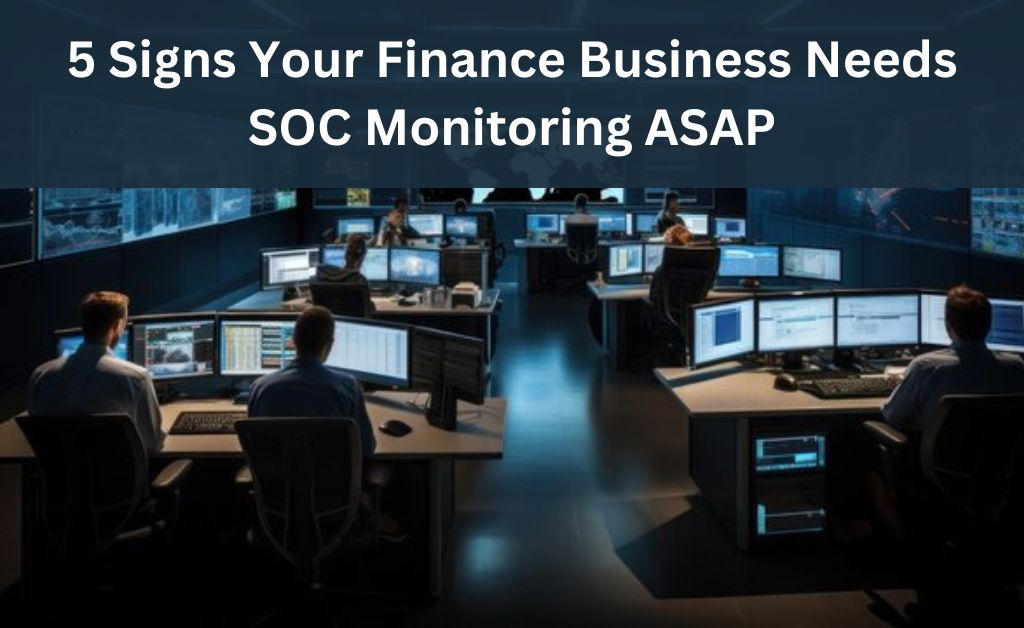
5 Signs Your Finance Business Needs SOC Monitoring ASAP


In the rapidly evolving landscape of the finance industry, data security is of paramount importance. As financial institutions increasingly rely on technology to streamline operations and manage sensitive information, the risk of cyber threats looms larger than ever. To safeguard your finance business against potential breaches, it's crucial to invest in a Security Operations Center (SOC) service. Here are five signs that indicate your finance business needs SOC monitoring ASAP.

1. Escalating Cyber Threats in the Finance Sector
The finance sector is a prime target for cybercriminals due to the valuable data it holds. From customer financial records to transaction details, the information at stake is incredibly sensitive. If you've noticed an uptick in cyber threats targeting financial institutions, it's a clear signal that your business needs to bolster its cybersecurity measures. SOC monitoring provides real-time threat detection and response, helping to mitigate risks before they escalate.

2. Increasing Regulatory Compliance Pressures
Governments and regulatory bodies are tightening the reins on data protection, especially in the financial industry. Compliance with regulations such as GDPR, HIPAA, or industry-specific mandates is non-negotiable. A SOC service ensures that your finance business adheres to these regulations by actively monitoring and responding to potential security incidents. Avoiding compliance issues not only protects your reputation but also shields your business from hefty fines.

3. Unusual Network Activities and Anomalies
Unexplained network activities and anomalies can be early indicators of a cyber attack. If your finance business experiences unexpected patterns in network traffic, unauthorized access attempts, or unusual login behavior, it's time to take proactive measures. SOC monitoring uses advanced analytics to identify and investigate these anomalies, helping your business stay one step ahead of potential threats.

4. Lack of In-House Cybersecurity Expertise
Maintaining an in-house cybersecurity team with the expertise to combat evolving threats can be challenging and expensive. Many finance businesses, especially smaller ones, may find it more practical to leverage SOC services. By outsourcing your cybersecurity to a specialized team, you gain access to a pool of experts dedicated to monitoring, analyzing, and responding to security incidents around the clock.

5. Previous Security Incidents or Breaches
If your finance business has experienced security incidents or breaches in the past, it's a red flag that your current cybersecurity measures may not be sufficient. A SOC service learns from previous incidents, adapting its monitoring strategies to fortify your defenses against similar threats in the future. Investing in proactive monitoring is a crucial step in preventing recurring security lapses.

Conclusion: Protect Your Finance Business with SOC Monitoring
In an era where cyber threats are omnipresent, the importance of robust cybersecurity measures cannot be overstated. A SOC service acts as a dedicated guardian for your finance business, providing continuous monitoring, threat detection, and rapid response capabilities. Don't wait until a cyber attack compromises your sensitive data – invest in SOC monitoring ASAP to secure the future of your finance business.

Thanks and Regards,

Sunday, January 21, 2024

7 Ways SOC Services Safeguard Healthcare


In an era where healthcare systems increasingly rely on digital infrastructure, the importance of robust cybersecurity measures cannot be overstated. Security Operations Center (SOC) services play a crucial role in safeguarding healthcare organizations from the ever-evolving threats in the cyber landscape. In this blog post, we will explore the specific ways SOC services contribute to healthcare security and why healthcare organizations should prioritize their implementation.

SOC Services in Healthcare

Introduction to SOC Services in Healthcare:
In the complex landscape of healthcare security, SOC services act as vigilant guardians. They tackle the challenges and risks faced by healthcare organizations in the realm of cybersecurity.

Role of SOC in Healthcare Security:
SOC services operate both proactively and reactively, providing 24/7 monitoring and rapid incident response. In the healthcare sector, where data integrity and patient privacy are paramount, this constant vigilance is critical.

7 Ways SOC Safeguards Healthcare

1. Continuous Monitoring and Threat Detection:
SOC services offer real-time monitoring, ensuring early detection of potential threats. In healthcare, early identification is key to preventing security incidents that could compromise patient data and disrupt critical services.

2. Incident Response and Containment:
Swift response is the hallmark of SOC services. In healthcare, where any downtime or data breach could have severe consequences, SOC's ability to respond and contain incidents is invaluable. Case studies will highlight successful incident containment.

3. Data Encryption and Privacy Measures:
SOC services employ encryption to protect healthcare data, ensuring compliance with data privacy regulations. Patients trust healthcare providers with sensitive information, and SOC services play a crucial role in upholding that trust.

4. Vulnerability Management:
Addressing vulnerabilities in healthcare systems is a priority for SOC services. Regular assessments and patch management are essential to maintaining the integrity of healthcare infrastructure.

5. User Authentication and Access Control:
Enforcing strong user authentication and access control measures is fundamental to SOC services. Preventing unauthorized access is crucial in safeguarding patient records and maintaining the confidentiality of healthcare information.

6. Threat Intelligence Integration:
Leveraging threat intelligence enhances healthcare security by staying ahead of evolving threats. SOC services use the latest intelligence to fortify defenses and protect against emerging cyber threats in the healthcare sector.

7. Training and Awareness Programs:
SOC services play a role in educating healthcare staff on security best practices. Employee training is a vital component of preventing security incidents, ensuring that staff members are equipped to recognize and respond to potential threats.

Conclusion
In conclusion, the landscape of healthcare security is evolving, and the implementation of SOC services is no longer an option but a necessity. Healthcare organizations must act now to fortify their cybersecurity defenses. Implement SOC services for robust healthcare cybersecurity and learn more about securing your digital healthcare infrastructure. Your patients and your organization's reputation depend on it.

Thanks and Regards,

Saturday, December 2, 2023

The 3 Pillars of Cybersecurity: How SOC Monitoring Delivers Early Threat Detection


Explore the fundamental pillars of cybersecurity and discover how SOC Monitoring Services, backed by SOC as a Service providers, provide crucial early threat detection.


Introduction:

In the ever-evolving landscape of cybersecurity, a robust defense relies on three fundamental pillars: prevention, detection, and response. This blog explores the significance of SOC Monitoring Services in delivering early threat detection, with a focus on the expertise offered by SOC as a Service providers.


1. Prevention:

Preventing cyber threats is the first line of defense. While traditional security measures lay the groundwork, SOC Monitoring Services add an extra layer of proactive defense. By constantly monitoring network activities and configurations, potential vulnerabilities can be identified and addressed before they are exploited.


2. Detection:

Early threat detection is a game-changer in cybersecurity. SOC Monitoring Services leverage advanced technologies and threat intelligence to identify anomalous activities and potential security breaches. This proactive stance enables organizations to detect threats in their infancy, minimizing the impact of cyberattacks.


3. Response:

Effective response is the final pillar of a comprehensive cybersecurity strategy. SOC Monitoring Services, often facilitated by SOC as a Service providers, streamline incident response. Rapid identification of threats allows for quick and efficient mitigation, ensuring minimal damage and downtime.


SOC as a Service Providers:

SOC as a Service companies play a crucial role in enhancing the capabilities of SOC Monitoring Services. Their expertise, scalable solutions, and 24/7 vigilance empower organizations to fortify their cybersecurity defenses without the need for extensive in-house resources.


Conclusion:

The three pillars of cybersecurity—prevention, detection, and response—are fortified by the proactive capabilities of SOC Monitoring Services. Leveraging the expertise of SOC as a Service providers, organizations can achieve early threat detection and ensure a resilient defense against evolving cyber threats.


Thanks and Regards,

Priya - IARM Information Security

SOC as a Service Provider ||  SOC Service Vendor || SOC Monitoring Service


Free SBOM Webinar: Learn How to Simplify Your Software Bill of Materials Workflow

Software security today depends on one essential ingredient— transparency . And nothing delivers that transparency better than a Software Bi...